






Infection
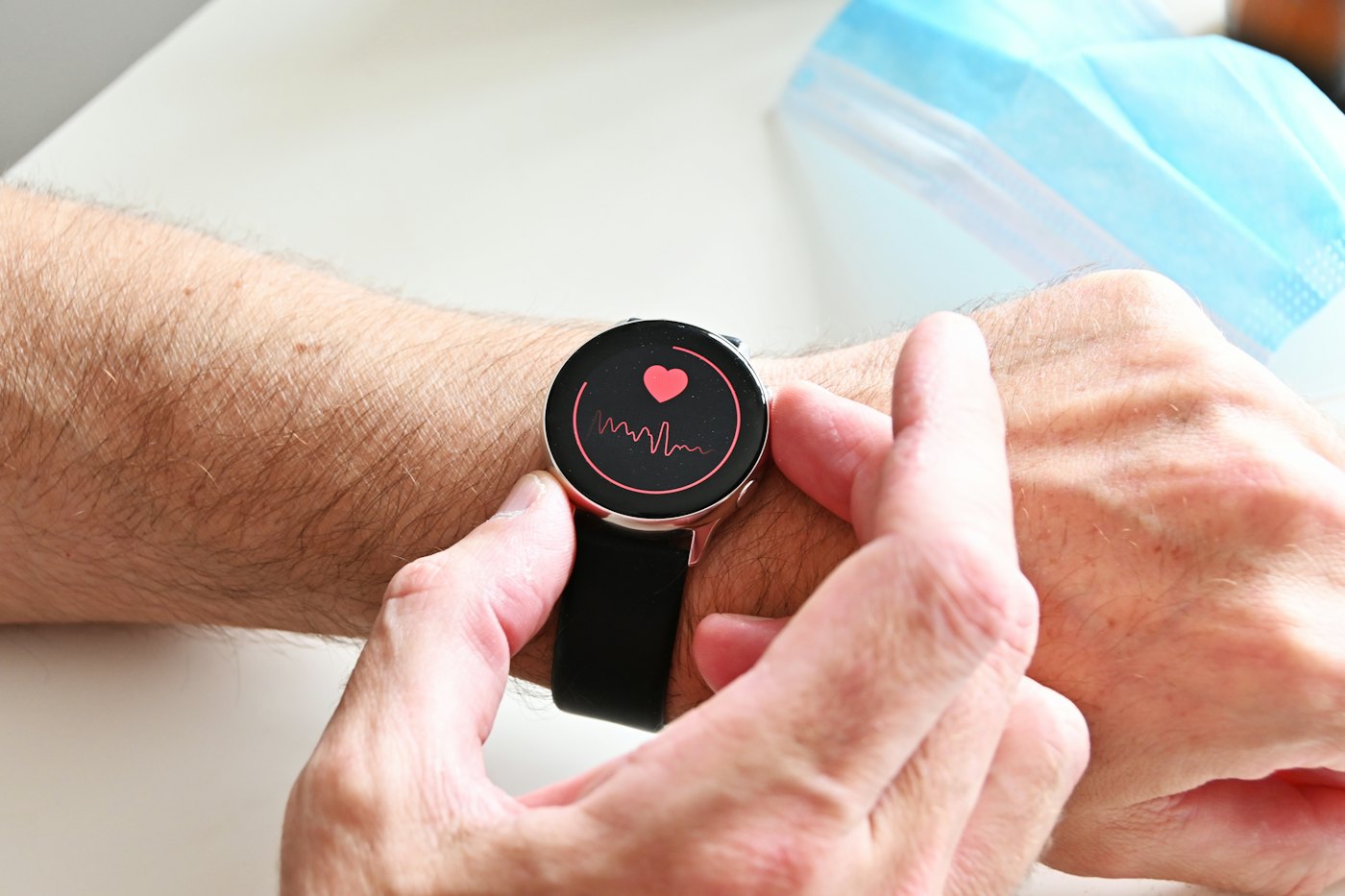
Respiratory clinic visits and sick leave rise together and stay up for days, whatever the weather. On a watch, resting heart rate stays raised, with fewer steps and worse sleep.
- Who acts
- District public health lead
Bioterafi sets a district's clinic visits and sick leave beside the weather, so the people responsible can tell which they are facing.
Open dashboardBioterafi is an early-warning platform built on signals a city already collects: clinic visits, sick leave and the weather. It takes them as daily counts by district, works out whether a rise looks like infection or follows the heat, and shows the people responsible where to look. Where a workforce wears smartwatches, their phones can add heat strain during shifts, which no other signal measures directly.
Respiratory clinic visits and sick leave rise together and stay up for days, whatever the weather. On a watch, resting heart rate stays raised, with fewer steps and worse sleep.
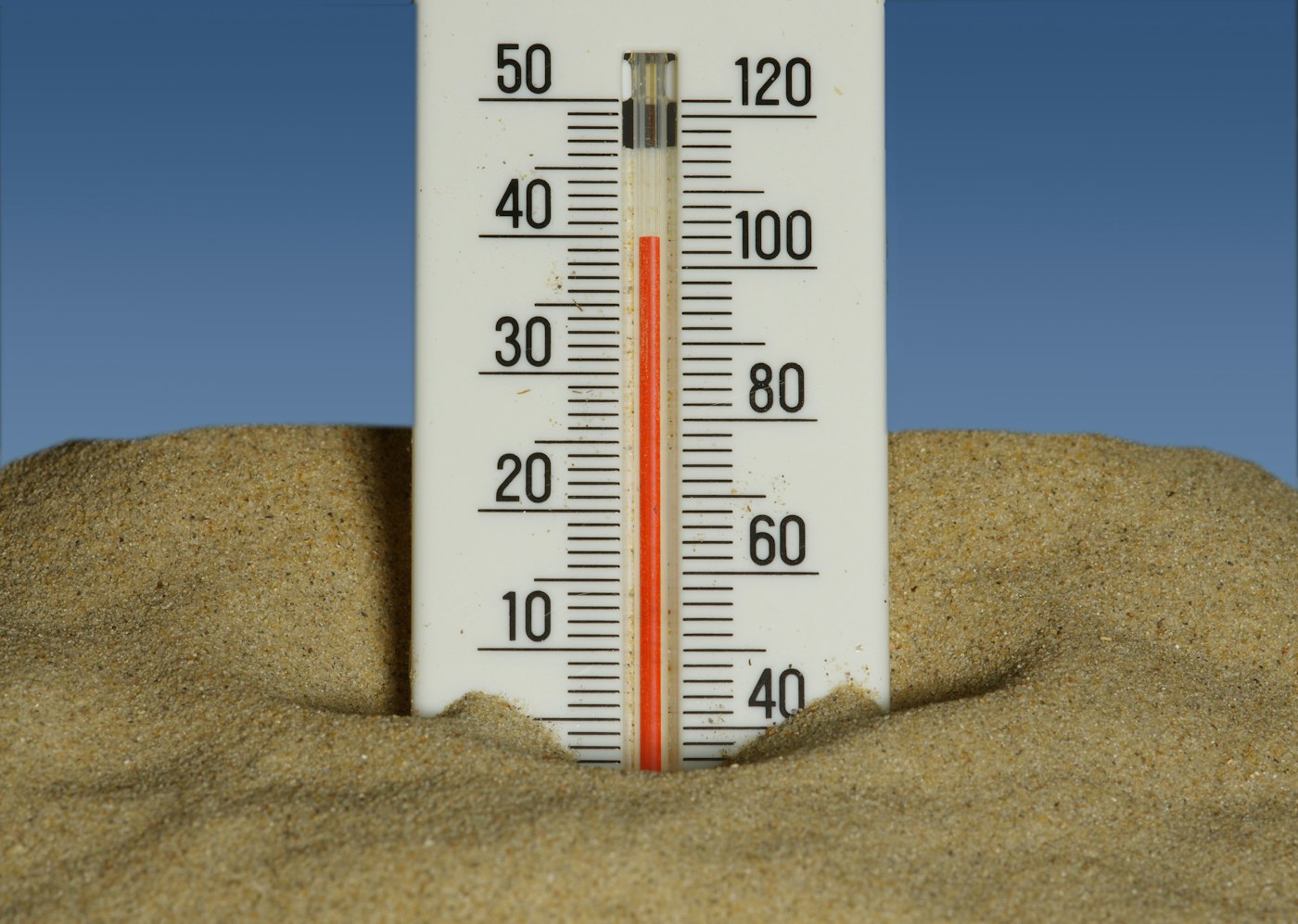
Sick leave follows the hottest days. On a watch, heart rate climbs during hot outdoor shifts and recovers overnight.
Seen only on a watch: a hard shift explains the rise, and recovery is normal.
Daily counts of clinic visits and sick leave by district, and the weather. Counts, not records.
Where workers wear a watch, each phone works out the likely cause and sends only a noised yes or no.

Combines the signals by district and checks them against the weather. Small groups show as insufficient data.

Each alert gives its cause, evidence and recommended action. The decision is logged.